
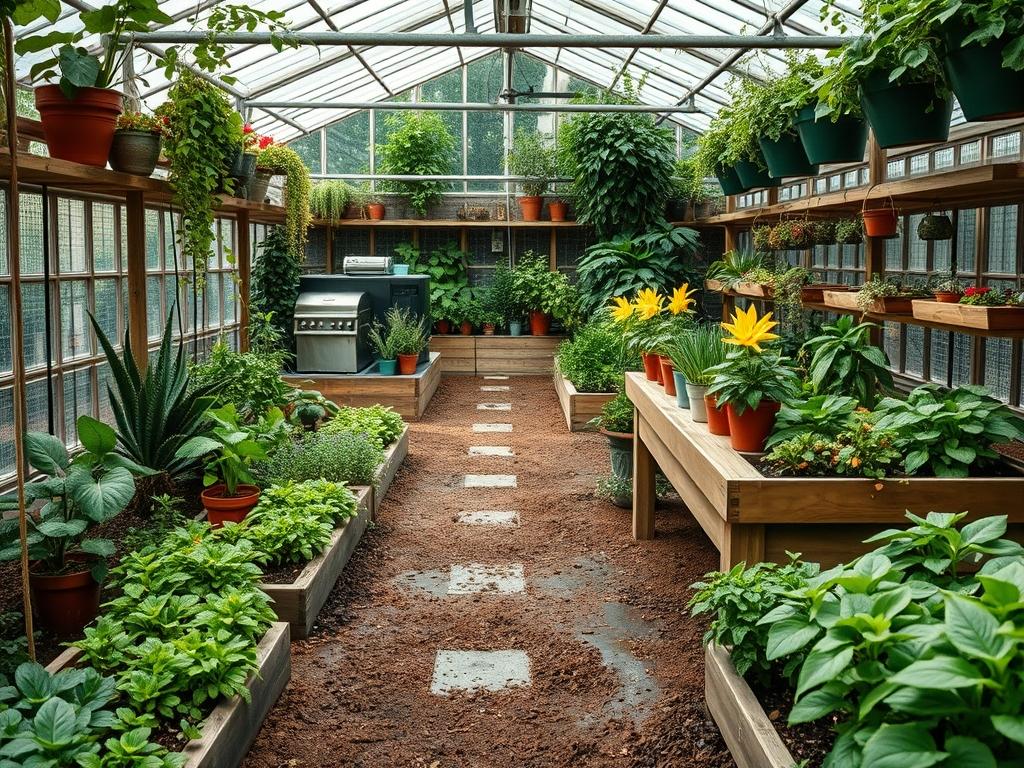
Designing high-functioning professional alfresco kitchens requires a fundamental shift in how we perceive the boundary between the interior and the exterior. A casual barbecue station is no longer the standard for modern luxury; instead, the focus has shifted toward fully realized culinary environments that mirror the efficiency of a commercial galley while maintaining the aesthetic flow of a high-end botanical garden. These spaces must withstand the rigors of external weather patterns, including fluctuating humidity and direct UV exposure, while providing a seamless transition from the main residence. The landscape designer’s primary challenge lies in balancing the heavy industrial requirements of professional appliances with the soft, organic textures of a curated garden. When executed correctly, these layouts do more than just facilitate a meal; they significantly boost the property’s curb appeal and market value by extending the usable square footage of the home into the natural environment.
Modern landscape architecture for these zones must prioritize spatial ergonomics. Professional alfresco kitchens are often the center of social activity, necessitating a design that accounts for high traffic, heat dissipation, and the specific wind tunnels created by the home’s structure. Effective planning begins with a thorough site analysis that identifies the path of the sun throughout the day; designers must ensure that the “cold zone” of the kitchen, such as refrigerators and wine coolers, is not positioned in direct afternoon sunlight, which would force the compressors to work at unsustainable levels. Similarly, the “hot zone” containing grills, pizza ovens, and side burners must be oriented to prevent prevailing winds from blowing smoke back into the primary dining area or the interior of the home.
Landscape Design Principles
Achieving a professional-grade atmosphere requires strict adherence to the principles of symmetry and focal points. A well-placed outdoor kitchen should act as an architectural anchor within the yard. By using Elevation Layers, designers can differentiate the cooking zone from the lounging area. This is often achieved through the installation of low-profile Retaining Walls built from Natural Stone or Cast Concrete. These walls provide defined boundaries and can double as extra seating when finished with a Smooth Capstone.
The concept of the “working triangle” is just as vital in the garden as it is in a luxury penthouse. The distance between the Grill, the Sink, and the Refrigeration Unit should be optimized to minimize movement and maximize safety. To connect these points, the choice of flooring is paramount. Non-Slip Porcelain Pavers or Sandblasted Granite are preferred materials because they offer the necessary traction while resisting the grease stains and heat damage common in cooking zones. These hardscape elements should be softened with strategic horticultural choices that provide visual balance. For instance, using Boxwood Hedges to frame the perimeter of the kitchen creates a living wall that mitigates the industrial look of high-end stainless steel.
Irrigation planning must be integrated into the layout before any masonry begins. A professional kitchen requires dedicated lines for water and gas, and the surrounding landscape needs a customized Drip Irrigation System that avoids overspray onto the appliances. By concealing these lines within the Sub-base of the patio or beneath the Mulch beds, the designer ensures that the landscape remains lush without creating a maintenance nightmare or causing corrosion to the kitchen’s metal components.
Plant and Material Selection
The following selections are optimized for proximity to professional alfresco kitchens, emphasizing durability, scent, and structural integrity.
| Plant Type | Sun Exposure | Soil Needs | Water Demand | Growth Speed | Maintenance Level |
| :— | :— | :— | :— | :— | :— |
| English Boxwood | Full Sun to Shade | Well-Drained | Moderate | Slow | Medium (Requires Trimming) |
| Tuscan Blue Rosemary | Full Sun | Sandy/Loamy | Low | Medium | Low (Edible and Hardy) |
| Japanese Maple | Partial Shade | Acidic/Moist | Moderate | Slow | Low (Focal Point) |
| Feather Reed Grass | Full Sun | Variable | Low | Fast | Low (Provides Privacy) |
| Creeping Thyme | Full Sun | Well-Drained | Low | Medium | Very Low (Fragrant Groundcover) |
Implementation Strategy
The construction of a professional alfresco environment begins with precision Grading. The site must be leveled with a slight 1% to 2% slope away from the kitchen structure and the home foundation to ensure that rainwater does not pool near sensitive electrical outlets or gas connections. Once the grade is established, the Sub-base is prepared using Crushed Stone or Base Rock, which is then compacted with a Plate Compactor to prevent future shifting.
For the transition between the hardscape and the garden beds, professional Edging is essential. Using 14-Gauge Steel Edging or Heavy-Duty Aluminum creates a crisp, clean line that prevents Turfgrass from encroaching onto the patio. Within the planting beds, a high-quality Geotextile Fabric should be laid down before applying Mulch. This prevents weed growth while allowing the soil to breathe. The Mulch itself should be applied at a depth of 3 inches, ensuring that it does not touch the stems of the plants directly to prevent rot.
Drainage is the most critical technical component of the implementation strategy. In high-traffic kitchen areas, relying on surface runoff is often insufficient. Professionals install a French Drain or a Decomposed Granite infiltration zone to manage heavy downpours. By directing water through a series of Perforated Pipes buried in Gravel-Filled Trenches, the landscape remains dry even after significant weather events, preserving the integrity of the kitchen’s masonry.
Common Landscaping Failures
The most frequent mistake in designing professional alfresco kitchens is the failure to account for soil compaction. During the heavy construction of the kitchen and patio, heavy machinery often packs the earth so tightly that oxygen can no longer reach the roots of nearby trees and shrubs. This results in slow decline and eventual death of the greenery. To prevent this, designers should use Vertical Mulching or Air-Spade technology to de-compact the soil once the heavy lifting is complete.
Another common failure is improper plant spacing. It is tempting to plant closely for “instant impact,” but this leads to overcrowding within three years. Overcrowded plants compete for nutrients and create pockets of stagnant air, which invite fungal diseases like Powdery Mildew. It is also vital to avoid placing large, high-canopy trees directly over the cooking area. Falling debris, sap, and bird droppings will quickly ruin the finish of high-end Granite Countertops and clog the burners of a Professional Grill.
Finally, irrigation inefficiencies can lead to “hot spots” in the garden or “wet feet” for the plants. Installing a Smart Irrigation Controller with a weather sensor is the professional solution. This ensures that the landscape receives exactly the right amount of water based on real-time evaporation rates, preventing the over-saturation that often occurs in the shaded areas behind large outdoor kitchen structures.
Seasonal Maintenance
To keep a professional alfresco kitchen and its surrounding landscape in peak condition, a seasonal management plan is required. In the Spring, the focus is on “unveiling.” This includes cleaning the Natural Stone surfaces with a pH-neutral cleaner, inspecting the Irrigation System for leaks, and applying a fresh layer of Bark Mulch to retain moisture for the coming heat. Deadwood should be pruned from shrubs to encourage new growth.
Summer maintenance revolves around hydration and pest management. High-traffic areas may need occasional power washing to remove food oils. Designers recommend checking the Soil Moisture regularly during heatwaves, as the radiant heat from large stone patios can dry out adjacent plant beds faster than in other areas of the yard.
In the Autumn, the priority shifts to leaf management. Accumulated leaves on the kitchen floor can become slippery and trap moisture against the stone, leading to discoloration. This is also the time to plant Spring Bulbs and apply a Pre-emergent Herbicide to prevent winter weeds. For the kitchen itself, gas lines should be inspected and burners cleaned before the weather turns cold.
Winter is a period of protection. In colder climates, high-end stone counters should be covered to prevent freeze-thaw cycles from causing micro-fissures. Herbaceous perennials should be cut back, and delicate shrubs might require a Burlap Wrap to protect them from desiccating winter winds. This is a quiet period that allows the landscape architect to evaluate the “bones” of the garden and plan for any structural improvements for the upcoming year.
Professional Landscaping FAQ
How do I choose the right stone for my alfresco kitchen?
Select high-density materials like Granite, Basalt, or Bluestone. These stones resist thermal shock and have lower porosity, making them less likely to absorb oils and grease from cooking compared to softer limestones or sandstones.
Can I include a fire pit near my outdoor cooking station?
Yes, but you must maintain a minimum clearance of 10 feet from any combustible structures. Ensure the fire pit is positioned downwind of the kitchen and dining area to prevent smoke from interfering with the culinary experience.
What is the best way to light the kitchen area?
Use a layered lighting approach. Combine Task Lighting over the grill and prep areas with Low-Voltage LED Path Lights for safety. Up-lighting on structural trees adds depth and prevents the space from feeling isolated at night.
How do I manage drainage on a flat lot?
Install a Channel Drain along the perimeter of the kitchen patio. This long, narrow grate collects surface water and directs it to a Dry Well or a lower point in the yard, preventing pooling around the kitchen base.
Are native plants necessary for an outdoor kitchen landscape?
Native plants are highly recommended because they are adapted to the specific soil and climate of your region. They require less supplemental water and fewer chemical inputs, ensuring a healthier environment for your outdoor dining space.