
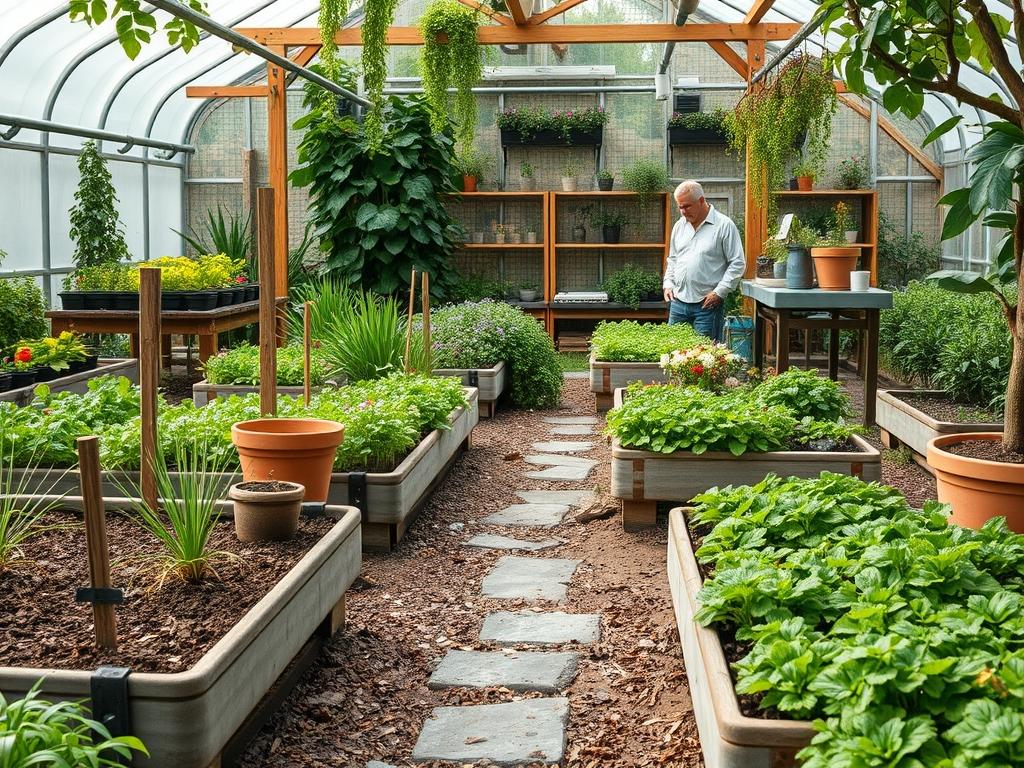
Maintaining a high-end estate requires more than a simple weekly mow; it demands a comprehensive understanding of soil biology, hydraulic engineering, and horticultural aesthetics. When we discuss achieving Elite Lawn Standards, we are looking at the convergence of architectural precision and biological vitality. The challenge for most property owners lies in the transition from basic greenery to a curated outdoor environment that reflects the prestige of the residence. Climate considerations play a primary role in this development, as a lawn in the humid southeast requires vastly different moisture management than a coastal property dealing with salt spray and sandy substrates. Beyond mere curb appeal, a well-managed landscape serves as an extension of the home, providing functional spaces for recreation and entertaining while stabilizing the local microclimate through carbon sequestration and natural cooling.
Achieving a uniform, emerald canopy across several acres involves a strategic approach to topography and nutrition. Large estates often suffer from inconsistent soil quality across different zones, leading to patchiness or varying growth rates. A consultant must first address the foundational health of the site before aesthetic layers are applied. This includes evaluating the sub-surface drainage systems to ensure that heavy rainfall does not lead to ponding or root rot. By prioritizing the structural integrity of the land, we ensure that specialized turf varieties can thrive, creating a resilient surface that withstands foot traffic and seasonal stress.
Landscape Design Principles
The architectural framework of an estate lawn relies on the principles of symmetry and visual balance to guide the eye toward focal points. We utilize Sightlines to connect the primary residence with secondary structures such as pool houses or garden pavilions. Symmetry does not always mean a mirror image, but rather a balanced distribution of visual weight. For instance, a large Oak Tree on the left may be balanced by a dense grouping of Ornamental Grasses and a Stone Sculpture on the right.
Elevation layers are critical for adding depth to a flat expanse. We achieve this through the use of Retaining Walls and raised planters, which allow for a tiered transition from low-profile turf to mid-level shrubs and high-canopy trees. This layering prevents the landscape from feeling two-dimensional. Irrigation planning must be integrated during the design phase, not as an afterthought. We design zones based on hydro-zoning principles, grouping plants with similar water needs together. This ensures that the Kentucky Bluegrass receives the high moisture it requires while the drought-tolerant Lavender in the border remains dry. Walkways should be constructed from premium materials like Flagstone or Permeable Pavers, providing a clear path that prevents soil compaction in the high-traffic areas of the turf.
Plant and Material Selection
| Plant Type | Sun Exposure | Soil Needs | Water Demand | Growth Speed | Maintenance Level |
| :— | :— | :— | :— | :— | :— |
| Kentucky Bluegrass | Full Sun | Loamy, pH 6.5 | High | Moderate | High |
| Zoysia Zeon | Full to Part Sun | Well-drained | Medium | Slow | Medium |
| Boxwood Green Velvet | Part Shade | Rich, Moist | Moderate | Slow | Low |
| Japanese Maple | Dappled Shade | Acidic, Well-drained | Moderate | Slow | Medium |
| Emerald Green Arborvitae | Full Sun | Adaptable | Low once established | Moderate | Low |
| Fescue Blend | Part Shade | Clay or Sandy | Medium | Fast | Medium |
Implementation Strategy
The transition from a blueprint to a physical masterpiece requires a disciplined implementation strategy. The first phase is always site preparation, which involves professional grading. Use a Transit Level to ensure a minimum 2 percent slope away from all structures. This prevents basement flooding and protects the root zones of your primary greenery. Once the grade is established, the installation of 4-inch Perforated Drain Pipe encased in Filter Fabric and River Rock provides a subterranean highway for excess water.
After the drainage is secured, focus on the soil profile. We recommend incorporating a 3-inch layer of Organic Compost into the top 6 inches of the existing soil using a Power Tiller. This improves the Cation Exchange Capacity, allowing the grass to actually utilize the nutrients you provide. When laying sod or seeding, timing is everything. For cool-season grasses, late summer to early autumn is the window for success. For warm-season varieties, late spring is ideal.
Edge definition is what separates an elite lawn from a standard one. Install Steel Edging or Belgium Block to create a permanent, crisp line between the grass and the planting beds. Within those beds, apply a 3-inch depth of Double-Ground Hardwood Mulch. This prevents weed germination and retains essential moisture for your ornamental plants. Finally, the installation of a Smart Irrigation Controller with weather-sensing capabilities ensures that your lawn receives exactly what it needs based on real-time evapotranspiration data.
Common Landscaping Failures
The most frequent failure in estate management is the “volcano mulching” of trees. Piling mulch against the trunk traps moisture and encourages rot and wood-boring insects. Instead, mulch should be spread in a flat circle, leaving the Root Flare visible. Another common error is root overcrowding. When planting Privacy Screens, many homeowners place Leyland Cypress too close together to get an instant wall. Within five years, the lack of airflow leads to fungal diseases like Seiridium canker, which can decimate the entire line.
Soil compaction is a silent killer of Elite Lawn Standards. Heavy equipment used during construction or even frequent use of heavy riding mowers can collapse the air pockets in the soil. Without oxygen, roots suffocate. We recommend a twice-yearly application of Liquid Aeration or a standard Core Aerator to keep the soil structure open. Additionally, many irrigation systems are set to run for short periods every day. This encourages shallow root growth. The superior method is “deep and infrequent” watering, which forces roots to dive deep into the subsoil in search of moisture, making the lawn much more drought-resistant.
Seasonal Maintenance
Spring is the season of stimulation. As soil temperatures reach 55 degrees Fahrenheit, apply a Pre-emergent Herbicide to prevent crabgrass. This is also the time for a soil test to determine if Granular Lime is needed to balance pH levels. Prune any winter-damaged limbs using Bypass Loppers to ensure clean cuts that heal quickly.
In the summer, the focus shifts to preservation. Raise your Mower Blade to at least 3.5 inches. Taller grass shades the soil, reducing water evaporation and crowding out weeds. Monitor for pests like Grubs or Chinch Bugs using a soapy water flush test. If the lawn enters dormancy during a heatwave, do not apply fertilizer, as this can burn the stressed grass.
Autumn is the most critical window for renovation. Use a Power Slit Seeder to introduce new genetic varieties into an existing lawn. This increases resistance to disease and pests. Apply a Winterizer Fertilizer high in potassium to strengthen the root systems before the first frost.
Winter management involves protecting your investment. Blow out the Irrigation Lines using a High-Volume Air Compressor to prevent pipe bursts. Minimize the use of Rock Salt near the edges of the lawn, as sodium buildup is toxic to most turf species. Instead, use Calcium Magnesium Acetate, which is less corrosive and safer for the environment.
Professional Landscaping FAQ
How often should I sharpen my mower blades?
For estate-level results, blades must be sharpened every 25 hours of use. Dull blades tear the grass blades rather than cutting them. This leads to jagged, brown tips and increases the lawn’s susceptibility to diseases like leaf spot.
What is the best way to handle shaded areas?
Standard turf often struggles in heavy shade. If light levels are below four hours of direct sun, consider transitioning to a Fine Fescue or a no-mow alternative like Carex Pennsylvania. Alternatively, thinning the tree canopy can increase light penetration.
Is organic fertilizer better than synthetic?
Organic fertilizers improve long-term soil health by feeding beneficial microbes. Synthetics provide immediate nutrient availability and precise control over growth. A hybrid approach often yields the best results for high-performance estate lawns, balancing immediate aesthetics with long-term vitality.
How do I fix persistent low spots in the lawn?
Address low spots through top-dressing. Apply a mix of 70 percent Sand and 30 percent Topsoil in 0.25-inch layers. Applying too much at once will smother the grass. Repeat this process every few weeks until the area is level.
Why does my lawn look yellow despite regular watering?
This is often a sign of nitrogen deficiency or iron chlorosis. However, it can also indicate overwatering, which displaces oxygen in the soil. Conduct a soil test to confirm nutrient levels before applying corrective treatments like Chelated Iron or nitrogen-rich fertilizers.