
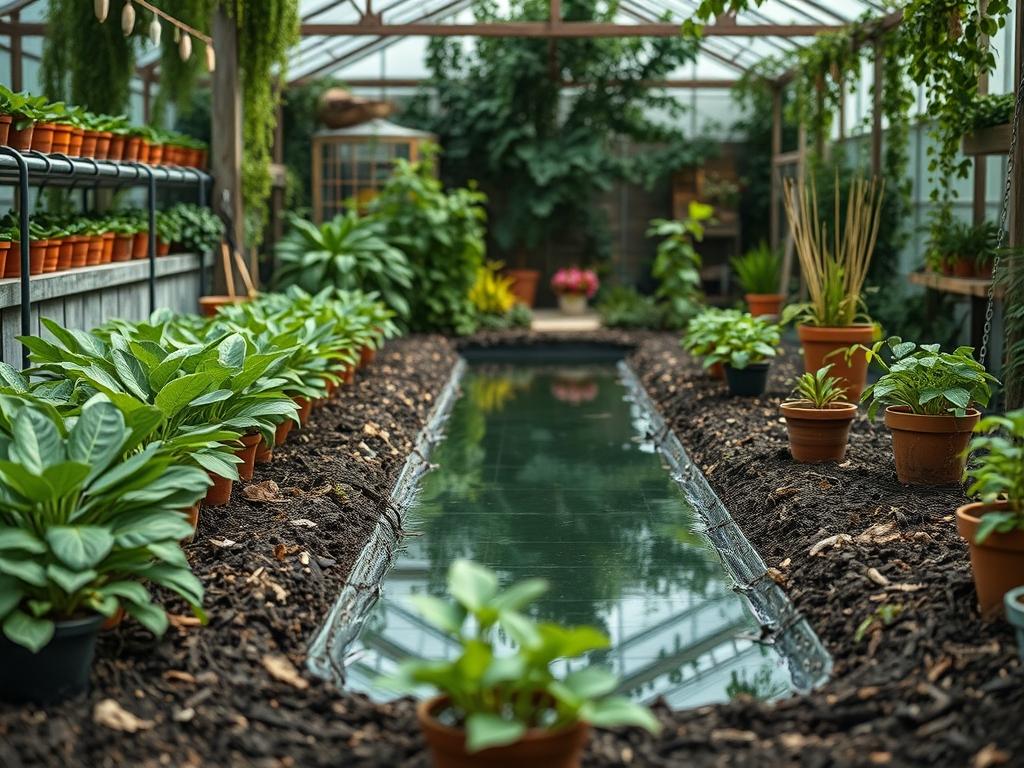
The integration of a reflective pool into a private landscape acts as a structural anchor, transforming a standard backyard into a meditative sanctuary. Unlike active water features that rely on the auditory stimulation of splashing fountains or rushing falls, a reflective pool prioritizes visual stillness. The primary landscaping challenge lies in achieving proof of level, as even a minor deviation in the water line against a stone coping will reveal flaws in the site grading. Architects must consider the climate heavily; high evaporation rates in arid regions can lead to calcium scaling on the basin walls, while freezing temperatures in northern zones require specific expansion joints to prevent concrete fatigue. Beyond the aesthetic allure, a well positioned water body improves curb appeal by adding a sense of luxury and permanence to the property. It functions as a cooling agent for the immediate microclimate, reducing ambient temperatures through evaporative cooling while providing a habitat for beneficial local fauna.
Landscape Design Principles
Reflective pool design hinges on the mastery of symmetry and the manipulation of sightlines. To create a serene zenith, the pool should be treated as a horizontal mirror that duplicates the sky and the surrounding architecture. If the pool is placed off center, the visual weight of the water can make the garden feel lopsided. Therefore, establishing a clear optical center is the first step. This often involves aligning the long axis of the pool with a primary window or a central garden gate.
Elevation layers play a role in how the reflection is perceived. A pool set at grade level appears as an extension of the earth, while a raised basin with retaining walls creates a more formal, sculptural effect. Designers often use dark granite or black pond liners to increase the depth of the reflection. The darker the bottom of the pool, the more effectively it acts as a mirror.
Irrigation planning around the pool must be meticulous. Over spray from nearby lawn sprinklers can introduce phosphates and nitrogen into the water, leading to rapid algae blooms. Consequently, sub surface irrigation or drip lines for surrounding flora are preferred. Walkways should be designed to encircle the feature without encroaching on its perimeter, using materials like honed basalt or travertine pavers to provide a clean, sharp edge that contrasts with the fluid surface. Visual balance is achieved by grounding the corners of the pool with structural plantings or architectural monoliths, ensuring the water does not feel as if it is floating aimlessly within the lawn.
Plant and Material Selection
Selecting materials for a reflective pool requires a balance between durability and aesthetics. The goal is to frame the water without cluttering the surface with organic debris.
| Plant or Material Type | Sun Exposure | Soil Needs | Water Demand | Growth Speed | Maintenance Level |
| :— | :— | :— | :— | :— | :— |
| Japanese Maple | Partial Shade | Well-drained | Moderate | Slow | Moderate |
| Blue Star Juniper | Full Sun | Sandy/Dry | Low | Slow | Very Low |
| Japanese Forest Grass | Shade/Partial | Humus-rich | Medium | Moderate | Low |
| Horsetail Reed | Full/Partial | Wet/Boggy | High | Fast | Moderate |
| Black Granite Tile | N/A | Substrate Base | N/A | N/A | High Polish |
| Dwarf Mondo Grass | Full/Partial | Loamy | Moderate | Slow | Low |
Implementation Strategy
The successful execution of a reflective pool begins with precise site grading. The area must be excavated to a depth of at least 18 inches to 24 inches to allow for the structural base and necessary plumbing. After excavation, a layer of compacted gravel serves as the foundation, followed by a sand cushion to protect the EPDM liner or the application of a reinforced concrete shell.
Once the basin is formed, edging becomes the focal point. Using a leveling laser, installers must ensure that the coping stones are perfectly horizontal. Any tilt will be immediately visible once the pool is filled. For the drainage system, a perimeter French drain should be installed to prevent runoff from the surrounding garden from enters the pool during heavy rain. This ensures the water remains clear and free of silt.
Hardscaping elements like stepping stones or a low limestone retaining wall can be used to define the boundaries of the water feature. The depth of the mulch in adjacent plant beds should be kept at a consistent 3 inches, but it should be separated from the pool by a metal bender board or a stone curb to prevent the wind from blowing wood chips into the water. Finally, the installation of a low flow circulation pump and a UV sterilizer will keep the water crystal clear without creating surface ripples that would break the reflection.
Common Landscaping Failures
The most frequent failure in reflective pool design is poor drainage management. If the surrounding land slopes toward the pool, every rainstorm will wash fertilizers and sediment into the basin, creating a murky environment that is impossible to maintain. Another common error is root overcrowding. Planting vigorous species like willows or bamboos too close to the pool can lead to root systems puncturing the pond liner or heaving the concrete pavers.
Improper spacing of large trees can also ruin the reflective effect. If a tree with a wide canopy is placed directly over the water, the constant falling of leaves and twigs will keep the surface cluttered and turn the water acidic as the organic matter decomposes. Furthermore, soil compaction during the construction phase can lead to uneven settling of the pool structure. If the ground is not properly vibrated and compacted with a plate compactor, the pool may crack or tilt after the first year of use. Finally, irrigation inefficiencies, such as using high pressure spray heads near the water, will cause constant surface disturbance and mineral buildup on the stone edges.
Seasonal Maintenance
Spring maintenance is focused on revitalization. As the ice thaws, the first task is to remove any accumulated debris using a fine mesh skimmer. This is the ideal time to check the submersible pump for any damage sustained during the winter and to treat the water with a dechlorinator if a fresh fill is required.
Summer demands vigilance regarding water levels and chemistry. High heat leads to evaporation, which can expose the top of the liner and lead to UV degradation. To combat this, an auto-fill valve is highly recommended. To prevent algae without using harsh chemicals that might harm birds, use barley straw extract or beneficial bacteria treatments.
Autumn is the most labor intensive season. To protect the reflective surface, it is often necessary to install a temporary pond netting to catch falling leaves. If leaves are allowed to sink to the bottom, they will release tannins that tea-stain the water, destroying the mirror effect. Pruning of surrounding shrubs should be completed now to reduce the organic load.
In winter, the primary goal is preventing structural damage from ice. In colder climates, a pond de-icer or a small aerator should be used to keep a small hole open in the surface. This allows gases to escape and prevents the ice from exerting too much lateral pressure on the retaining walls. If the pool is shallow, it may be best to drain it partially and cover it to protect the masonry work from the freeze-thaw cycle.
Professional Landscaping FAQ
How deep should a reflective pool be for the best mirror effect?
A depth of 12 to 18 inches is usually sufficient. The key to a strong reflection is a dark bottom, created by black liners or dark tiles, rather than the actual depth of the water column itself.
Can I have fish in a reflective pool?
While possible, fish like Koi often disturb the surface and require filtration systems that create ripples. For a true serenity zenith, it is better to keep the water still and uninhabited to maintain the perfect glass-like finish.
What is the best way to keep the water clear?
Use a combination of a UV clarifier and a mechanical skimmer. The UV light kills suspended algae, while the skimmer removes floating debris before it sinks and decomposes on the bottom of the basin.
How do I prevent wind from ruining the reflection?
Position the pool in a protected area of the yard, using evergreen hedges or privacy fences as windbreaks. Reducing the surface area exposed to prevailing winds will help maintain the stillness of the water.
What stones are best for the pool edge?
Basalt, slate, and granite are excellent choices. These materials are dense, meaning they absorb less water and are less likely to crack during winter. Their dark tones also complement the reflective quality of the water.