
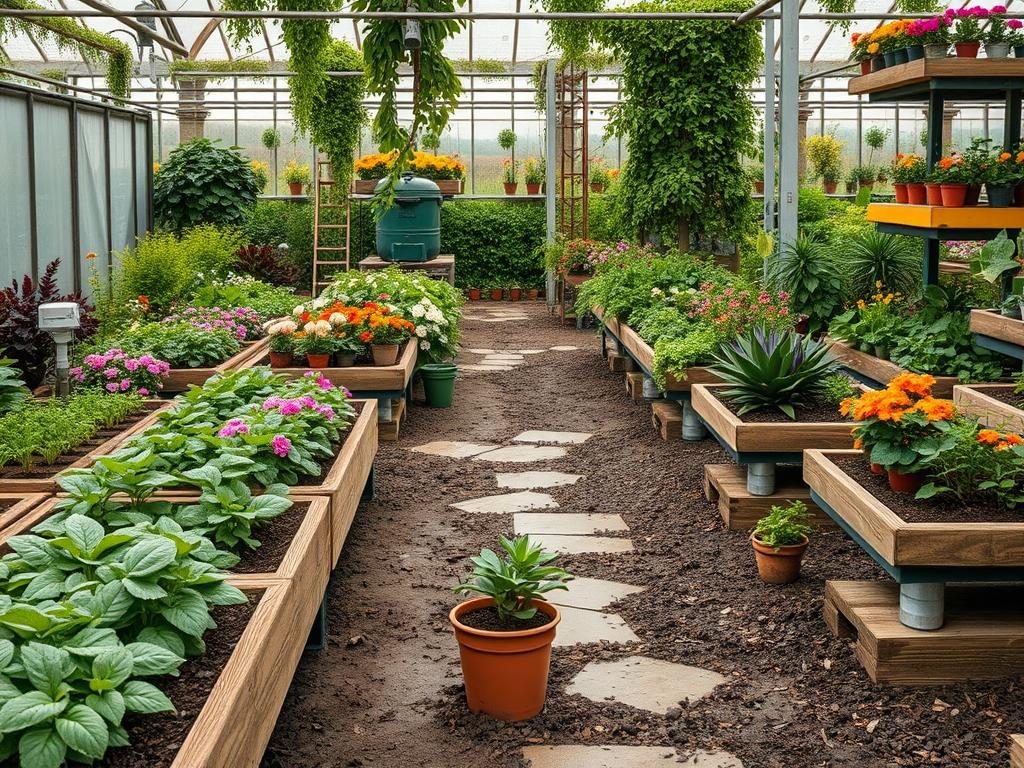
Successful landscape architecture relies on the mastery of depth and perspective to create environments that feel both immersive and organized. When we design multi-layered flower schemes, we are not simply planting a row of perennials; we are engineering a three-dimensional living tapestry that addresses the visual, ecological, and functional requirements of a property. The challenge for many homeowners and developers lies in balancing aesthetic appeal with long-term viability. A garden that looks stunning in May but turns into a tangled, overgrown mess by August has failed its primary design objective. True success comes from understanding the specific climate of the region, the movement of the sun across the site, and the way the garden improves the curb appeal and value of the home. By utilizing varying heights, textures, and bloom cycles, we can create an outdoor sanctuary that serves as an extension of the interior living space.
The strategic layering of plants serves more than just an aesthetic purpose; it provides a structural solution to common outdoor environment problems. For instance, a dense foreground layer of groundcovers acts as a living mulch, suppressing weeds and retaining soil moisture. Meanwhile, the mid-tier and upper-canopy layers provide shade for more delicate species and help break the force of heavy rainfall, which reduces soil erosion. From the perspective of outdoor functionality, these layers can soften the transition between retaining walls, walkways, and natural turf areas. A professionally designed scheme considers how the garden will look from every angle, ensuring that the view from the street is as compelling as the view from a backyard patio. This approach requires a disciplined adherence to design principles that move beyond simple aesthetics into the realm of horticultural engineering.
Landscape Design Principles
To achieve a professional multi-layered flower scheme, a designer must first establish a sense of symmetry and visual balance. This does not always mean a mirrored garden; rather, it refers to the weight of the plantings across the space. For example, a heavy cluster of Blue Hydrangeas on the left should be balanced by a group of plants with similar visual density on the right, such as a large Boxwood or a mass planting of Ornamental Grasses. Focal points serve as the anchor for the entire scheme. These can be architectural elements like a Stone Fountain or biological features such as a Japanese Maple. These anchors provide the eye with a place to rest before it begins to explore the secondary and tertiary layers of the garden.
Elevation layers are typically categorized into four distinct zones: the ground plane, the foreground, the mid-ground, and the background. The background should consist of the tallest elements, such as Evergreen Trees or tall shrubs, which create a green wall to mask fences or neighboring structures. The mid-ground is where the majority of the color occurs, featuring perennials that reach 2 feet to 4 feet in height. The foreground consists of lower-growing plants that transition the garden bed into the lawn or path. Finally, irrigation planning must be integrated into this elevation strategy. Using a drip irrigation system with emitters placed specifically at the root zone of each layer ensures that taller plants do not block water from reaching the smaller ones. Walkways made of natural flagstone or pavers should be used to provide access for maintenance while maintaining the visual integrity of the layers.
Plant and Material Selection
The following table outlines high-performance selections for a multi-layered scheme. These plants are chosen for their reliability, texture, and ability to coexist within a dense planting environment.
| Plant Type | Sun Exposure | Soil Needs | Water Demand | Growth Speed | Maintenance Level |
| :— | :— | :— | :— | :— | :— |
| Purple Coneflower | Full Sun | Loamy/Well-drained | Moderate | Fast | Low |
| Russian Sage | Full Sun | Sandy/Dry | Low | Fast | Moderate |
| Japanese Forest Grass | Partial Shade | Rich/Organic | High | Slow | Low |
| Hosta “Empress Wu” | Full Shade | Moist/Clay-Heavy | High | Moderate | Low |
| Catmint “Walker’s Low” | Full Sun | Average | Low | Fast | Moderate |
| American Holly | Full to Part Sun | Acidic | Moderate | Slow | Low |
| Creeping Thyme | Full Sun | Well-drained | Low | Moderate | Low |
| Peony | Full Sun | Deep/Fertile | Moderate | Slow | Moderate |
Implementation Strategy
The transition from a conceptual design to a physical garden requires a rigorous implementation strategy. The process begins with professional grading to ensure that water moves away from the home foundation and toward designated drainage basins or rain gardens. Improper grade is the leading cause of plant rot and basement moisture issues. Once the grade is established, the layout of the beds should be marked using landscaping spray paint. For clean, professional lines, we recommend using 14-gauge steel edging, which provides a permanent barrier between the turf and the garden beds. This prevents grass from encroaching on the lower layers of the flower scheme.
Soil preparation is the most critical step for a long-lasting garden. The existing soil should be amended with 3 inches of high-quality compost or aged manure, which is then tilled into the top 8 inches of the earth using a rear-tine tiller. This addresses soil compaction and provides the essential nutrients for the first growing season. When planting, the largest specimens in the background should be placed first to establish the structural framework. As you move toward the front of the bed, vary the spacing to accommodate the mature width of each plant, not its size at the time of purchase. After the plants are in the ground, a layer of hardwood mulch should be applied at a depth of 2 to 3 inches. Avoid the common mistake of “volcano mulching” around the base of trees or shrubs; instead, keep the mulch away from the stems to prevent fungal rot and pest infestations.
Common Landscaping Failures
Many high-end landscaping projects fail because of fundamental technical errors that occur beneath the surface. Drainage is often the primary culprit. If a garden bed is designed with layers of moisture-loving plants but sits in a low-spot without proper egress for water, the roots will eventually succumb to anaerobic conditions. Installing a French drain or a perforated pipe wrapped in filter fabric can mitigate this risk by directing excess water to a street-side outlet or a dry well. Another frequent failure is root overcrowding. When designers pack plants too tightly to achieve an instant “full” look, the plants compete for the same nutrients and water, leading to stunted growth and increased disease susceptibility.
Soil compaction is a silent killer of multi-layered schemes, especially in new construction environments where heavy machinery has compressed the earth. Without proper aeration using a core aerator or deep hand-turning with a garden fork, the roots of newly planted flowers cannot penetrate the soil. Furthermore, irrigation inefficiencies can cause significant losses. Overhead sprinklers often lose 30 percent of their water to evaporation and fail to penetrate the dense foliage of the upper layers. Transitioning to a drip system with pressure-compensating emitters ensures that every plant, from the tallest Delphinium to the smallest Sedum, receives the precise amount of hydration it requires.
Seasonal Maintenance
Maintaining the integrity of a multi-layered flower scheme requires a seasonal management approach tailored to the life cycles of the plants. In the spring, the focus should be on clearing away the previous season’s debris using a leaf rake and applying a fresh layer of organic fertilizer. This is also the time for structural pruning of woody shrubs and the division of overgrown perennials like Daylilies or Hostas. As summer approaches, the emphasis shifts to moisture management and weed control. Check the irrigation controller regularly to adjust for temperature spikes, and use a hula hoe to remove small weeds before they establish deep root systems.
Autumn is the season for assessment and preparation. This is the ideal time to plant spring-flowering bulbs such as Tulips and Daffodils between the existing layers to provide early color. You should also leave some dried seed heads, such as those on Echinacea, to provide winter interest and food for local birds. In winter, the garden enters a dormant state, but the architecture remains visible. Use this time to inspect retaining walls for shifting and to clean and sharpen pruning shears and loppers. If you live in a region with heavy snow, ensure that you brush off delicate evergreens with a soft broom to prevent branch breakage. By following this seasonal rhythm, the garden remains a high-performing asset rather than a chore.
Professional Landscaping FAQ
How many layers should I include in a standard garden bed?
For most residential applications, three to five layers are ideal. This includes a tall background, a medium-height middle layer, and a low-growing foreground or groundcover. Smaller beds may only accommodate three layers without appearing overcrowded or visually cluttered.
What is the best way to choose a color palette?
Professional architects often use a triadic or analogous color scheme. Analogous colors, such as blue, violet, and red, create a calming effect. Triadic colors, like yellow, blue, and red, offer high-contrast energy. Always consider the color of the home’s siding.
Can I create a multi-layered design in a shady area?
Yes. Shade gardens rely more on texture and foliage color than blooms. By using Hostas, Ferns, and Astilbes, you can create a lush, layered look. Use variegated leaves with white or gold edges to brighten the darkest corners of the site.
How deep should my mulch be in a new flower bed?
Apply 2 to 3 inches of organic mulch. This depth is sufficient to suppress weeds and retain moisture without suffocating the soil. Avoid deeper layers, as they can prevent oxygen from reaching the root systems and may harbor pests.
Are native plants better for multi-layered schemes?
Native plants are generally preferred because they are adapted to the local climate and soil conditions. They typically require less water and fewer chemical inputs once established. They also provide essential habitats for local pollinators, enhancing the garden’s ecological value.