
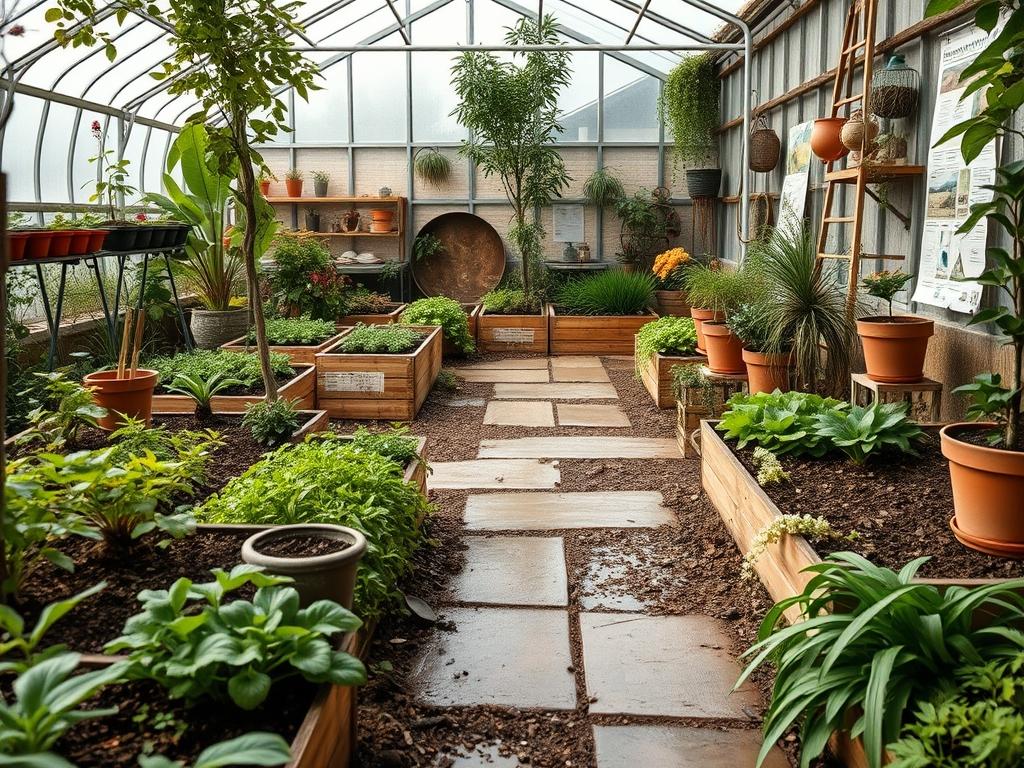
The selection of a primary hardscape material defines the trajectory of an entire outdoor environment, acting as the structural anchor upon which all other design elements rest. In high-end residential architecture, luxury limestone patios represent the pinnacle of this foundational choice, offering a rare combination of geological permanence and aesthetic neutrality. Unlike manufactured concrete products that often attempt to mimic natural textures, authentic Limestone provides a tactile authenticity that ages gracefully across decades. The challenge in modern landscaping lies in balancing this heavy, static material with the dynamic, living components of a garden. Designers must account for the local climate, ensuring that the stone’s porosity is managed through proper sealing and drainage, while simultaneously addressing the curb appeal that a cohesive stone palette provides. A well-executed patio does not merely sit on the land; it integrates with the soil, directing the eye toward focal points and facilitating a seamless transition between the controlled interior of the home and the organic unpredictability of the wilderness.
Landscape Design Principles
Achieving a sense of balanced luxury requires a commitment to fundamental design principles, starting with symmetry and visual weight. In a high-end landscape, Limestone slabs, often measured at 24 by 36 inches or larger, provide a rhythmic pattern that can either elongate a space or ground a chaotic garden layout. Symmetry does not always imply a mirror image; rather, it refers to the distribution of visual interest across the horizontal plane. By utilizing Elevation Layers, a designer can physically separate the dining area from a lounge or fire pit zone, using Limestone Retaining Walls to create distinct “rooms” within the outdoor space. These elevation changes are not merely aesthetic; they allow for more complex Irrigation Planning and the concealment of necessary infrastructure like Drainage Pipes or low-voltage lighting wires.
Visual balance is further refined through the strategic use of Walkways that connect disparate parts of the property. When a primary patio is constructed of high-grade stone, the secondary paths should utilize either the same material in a different finish or a complementary aggregate to maintain design continuity. Focal points, such as a Custom Stone Hearth or a water feature, must be scaled appropriately to the patio size. A common mistake is undersizing these elements, which causes the vast expanse of the patio to feel cold and utilitarian rather than inviting. Proper site analysis also includes studying the sun’s path to determine where the natural cooling properties of the stone will be most beneficial during the summer months.
Plant and Material Selection
The following table outlines high-performance plant species that complement the cool, sophisticated tones of luxury stone installations while meeting various environmental demands.
| Plant Type | Sun Exposure | Soil Needs | Water Demand | Growth Speed | Maintenance Level |
| :— | :— | :— | :— | :— | :— |
| Boxwood (Buxus) | Full Sun to Shade | Well-Drained | Moderate | Slow | High (Pruning) |
| Lavender (Lavandula) | Full Sun | Sandy/Alkaline | Low | Medium | Low |
| Japanese Maple | Partial Shade | Loamy/Acidic | Moderate | Slow | Medium |
| Hydrangea | Partial Sun | Rich/Moist | High | Fast | Medium |
| Blue Oat Grass | Full Sun | Lean/Dry | Low | Medium | Very Low |
| Star Jasmine | Full Sun/Part Shade | Universal | Moderate | Fast | Moderate |
Implementation Strategy
The transition from conceptual design to physical installation begins with rigorous site preparation. The first step involves Grading the area to ensure a minimum 2 percent slope away from the home’s foundation. This prevents water from pooling on the porous stone surface, which could lead to staining or structural damage in freeze-thaw cycles. Once the area is excavated to a depth of approximately 8 to 12 inches, a heavy-duty Geotextile Fabric is laid down to separate the subgrade soil from the base materials, preventing the migration of fines that leads to settling.
A primary base of 6 inches of Crushed Limestone or 3/4-inch minus gravel should be spread and compacted in 2-inch lifts using a Plate Compactor. This creates a rigid, non-heaving platform. Over this base, a 1-inch layer of Bedding Sand or Fine Grit is screeded to provide a level surface for the stone. When laying the Limestone Pavers, installers must use a Dead Blow Mallet to set the stones without cracking the edges. After the stones are placed, Polymeric Sand or a specific Permeable Grout is swept into the joints to lock the units in place while allowing for some microscopic movement. Finally, applying a high-quality, breathable Silane-Siloxane Sealer protects the stone from oil spills and organic tannins without trapping moisture beneath the surface.
Common Landscaping Failures
The most frequent failures in high-end projects are rarely related to the quality of the stone itself but rather the hidden engineering beneath it. Drainage mistakes are the leading cause of patio failure; if water is trapped in the base layer, it will eventually force the stones upward or cause them to crack during winter. Furthermore, Soil Compaction must be absolute. Many contractors rush the compaction process, leading to “paver dip” within the first two years of installation.
Another critical error is improper spacing and root overcrowding. Planting large specimens like Oak Trees or aggressive Hedge Rows too close to the stone edge will eventually result in root systems lifting the Limestone slabs. Designers must account for the mature width and depth of all root balls. Additionally, Irrigation Inefficiencies, such as spray heads that constantly hit the stone, can lead to mineral buildup and discoloration over time. Ensuring that the Irrigation System is calibrated to drip line technology near the hardscape prevents this unsightly calcification.
Seasonal Maintenance
Maintaining a luxury patio requires a calendarized approach to protect the investment. In the Spring, the focus is on cleaning and inspection. Use a Pressure Washer on a low-PSI setting to remove winter grime and check the integrity of the jointing sand. If gaps have appeared, they should be refilled immediately to prevent weed growth. This is also the time to apply a fresh layer of Bark Mulch at a depth of 3 inches to surrounding garden beds to retain moisture and suppress weeds as the weather warms.
During the Summer, maintenance shifts to hydration and monitoring for pests. Ensure that the Automatic Irrigation Controller is adjusted for peak heat. If the Limestone is used near a pool, rinse the area frequently with fresh water to remove chlorine or salt deposits. In Autumn, the primary task is the removal of fallen leaves. Organic matter left to rot on natural stone can create deep, permanent tannins that are difficult to remove. Finally, in Winter, avoid using harsh rock salts or chemical de-icers on luxury stone. These substances penetrate the pores and cause internal pressure that leads to scaling or spalling. Use Clean Sand for traction instead, which provides grip without compromising the geological integrity of the patio.
Professional Landscaping FAQ
How do I prevent my limestone patio from staining?
Apply a professional-grade, penetrating sealer immediately after installation. Regularly sweep away organic debris like leaves or berries, and clean spills from wine or oils with a pH-neutral stone cleaner to ensure the surface remains pristine and free of tannins.
Can limestone be used in climates with heavy snow?
Yes, provided the stone is a high-density variety and the installation includes a robust, well-draining sub-base. Avoid using chemical salts for de-icing; instead, use sand or plastic shovels to prevent scratching the delicate surface of the stone during winter.
What is the best way to handle drainage for a large patio?
Install a French Drain or a discrete Trough Drain along the lowest edge of the slope. Ensure the entire surface has a consistent pitch of at least one inch for every four feet to direct water away from structures.
Which plants work best for a modern stone aesthetic?
Structural plants like Boxwood, Agave, or Ornamental Grasses provide a clean contrast to the sharp lines of cut stone. These species offer a consistent architectural form that complements the minimalist luxury often associated with premium limestone materials.
Does luxury limestone require professional cleaning every year?
While homeowners can perform basic sweeping and rinsing, a professional deep clean and resealing every three to five years is recommended. This maintains the stone’s slip resistance and ensures the protective barrier against environmental pollutants remains fully intact.